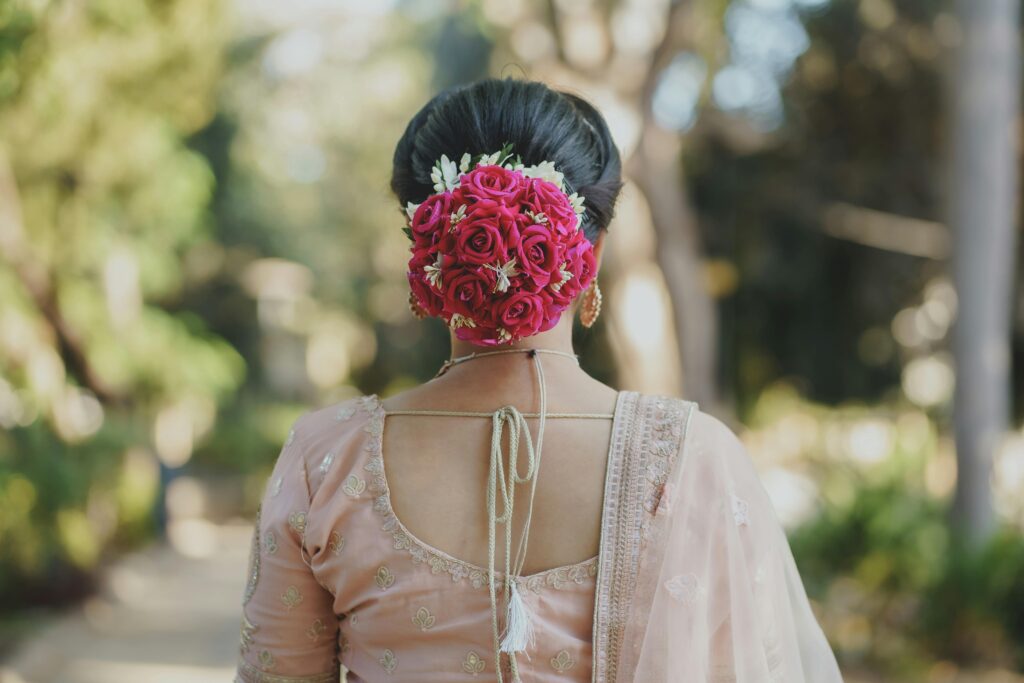
Hair isn’t just about style it’s a crown of energy, a sacred thread connecting your soul to ancient wisdom, health, and personal empowerment. From grandma’s gentle hands to today’s Instagram braid tutorials, combing and braiding hair are much more than beauty choices—they’re profound rituals rooted in Ayurveda, history, and Sanatana Dharma that Gen Z loves and elders cherish.
Step inside the world of hair care where every strand holds a story, every braid binds tradition with modern flair, and looking after your locks isn’t just self-care it’s spiritual care.
Hair, called kesha in Sanskrit, has always been revered in India. From Rigveda hymns to the latest TikTok trends, the way we wear and care for our locks speaks volumes about our health, confidence, and spirituality. Ancient cultures saw it as a living extension of our inner self—a source of prana (life force), beauty, and social identity.
Ayurveda, India’s 5000-year-old wisdom tradition, sees them as more than dead cells it’s a visible sign of your dosha balance (Vata, Pitta, Kapha). Weak, brittle, or falling hair? Your body’s warning you about deeper imbalances stress, nutrition, inner harmony. Ayurveda links healthy, glossy hair directly to a healthy mind, strong digestion, balanced emotions, and good sleep.
Combing hair isn’t just about detangling it’s a meditative act. When you glide a neem wood comb through, Ayurveda says you’re massaging acupressure points, boosting scalp circulation, and distributing natural oils from root to tip.
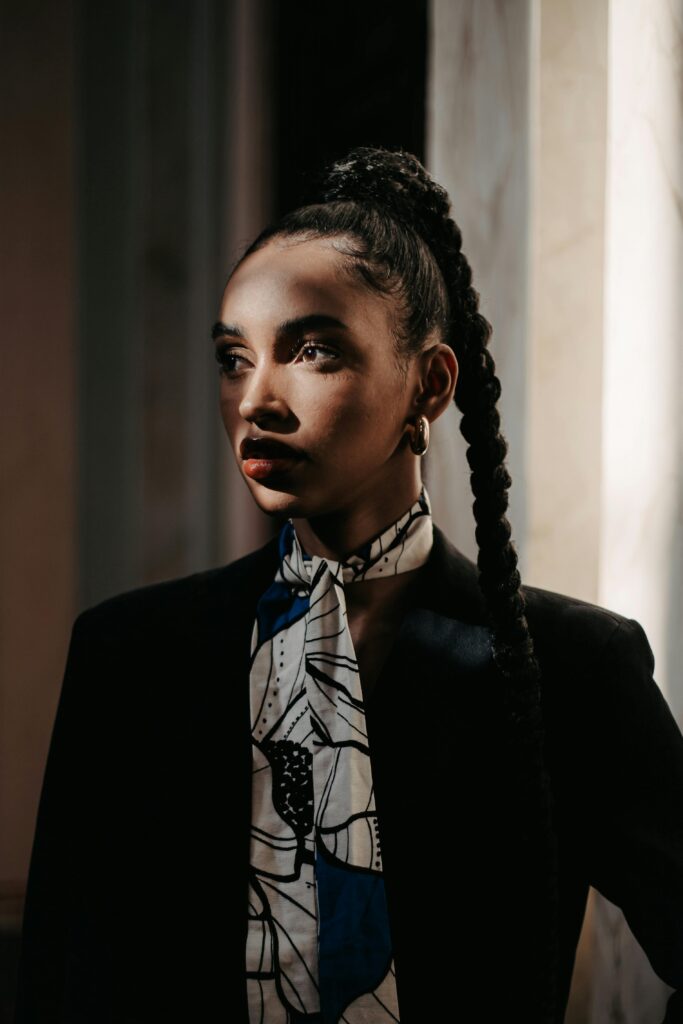
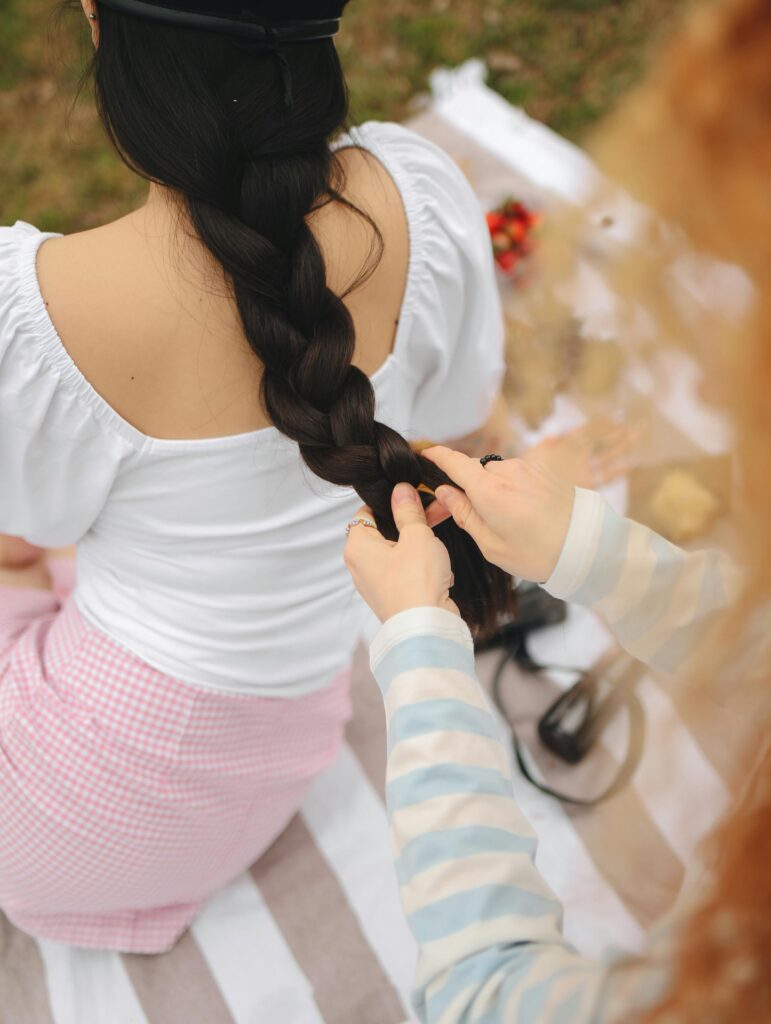
Braiding is an art, science, and spiritual practice intertwined. In ancient India, a braid was not mere adornment but a badge of purity, discipline, and feminine power. Daughters, goddess figures, queens, and yoginis all wore braids as protective symbols signifying readiness for spiritual practice and valued social virtues.
Have you ever wondered why elders whisper, “Never keep your hair loose in a temple”? It’s more than cultural decorum it’s about subtle energies and respect. Here’s why:
| Hair Style | Energy Effect | Ritual Relevance | Health Impact |
|---|---|---|---|
| Open/Loose | Scattered, attracts negative influences | Distracting, discouraged for puja | Breakage, tangling, greasiness |
| Braided/Tied | Focused, preserves prana | Mandatory, signals readiness | Strong roots, less fallout |
Leaving them open is considered a sign of emotional disturbance or grief in itihasa and puranic lore (think Draupadi after her humiliation). Braiding organizes internal energy, creating vibrational coherence a must for meditation, performance, study, and ceremony.
In the vast ocean of Sanatana Dharma, hair is more than vanity it’s sacred. Every act of grooming, especially braiding, is a spiritual sadhana (practice) for women:
Through these practices, Sanatana Dharma teaches that caring for oneself is inseparable from honoring the divine within. This holistic outlook transforms personal grooming into a living ritual—a bridge connecting soul, body, and cosmos.
Ayurveda teaches that shiny, strong strands are a direct result of a balanced mind, efficient metabolism, and a healthy lifestyle. Here’s how to master overall scalp and strand vitality:
Braiding isn’t just tradition—it’s trending! Gen Z loves the aesthetic, the self-care moments, and the positive energy. From Dutch braids to fishtails, creative plaits have taken over social media, symbolizing individuality and reclaiming roots. Every time you braid, you join a squad of powerful women—from Durga to Deepika Padukone—who turned their hairdos into bold, beautiful personal statements.
Indian history is bursting with depictions of spectacular braids, buns, knots, and adornments:
From royal courts to village temples, braids were the ultimate marker of dignity, strength, and femininity.
Let’s break down the perfect ritual for everyday magic:
Hair in mythology—Sita’s braid, Draupadi’s sorrow, Kali’s wild locks—symbolizes transformation, power, and protection. Braiding is a conscious act of beauty and strength, weaving tradition with personal expression.
Science supports hair braiding as a practice that uniquely benefits hair health, distinct from Ayurvedic claims:
Scientists warn that braids should not be too tight, as excessive tension can cause traction alopecia (hair loss from constant pulling). Comfortable, loose braiding is optimal.
These scientific findings, combined with the ancient wisdom of Ayurveda, demonstrate that braiding is beneficial for both physical and spiritual well-being, making it a timeless practice cherished by all generations.
Braiding is far from just an ancestral tradition it has earned its place in the scientific hall of fame, too. Modern research and dermatology experts give braiding a solid thumbs up, not just for style but for health, protection, and growth benefits that matter to everyone from students to grandmothers.
Loose strands are exposed to the harsh elements—wind, pollution, UV rays, cotton pillowcases, and friction from movement during sleep. Braiding forms a protective barrier, locking in natural moisture and allowing the strands to work together to resist dryness and frizz. This leads to stronger, shinier, and healthier locks day after day.
Leaving hair open is a recipe for split ends every breeze, swipe of the hand, and toss during sleep can cause minor tears in the outer layer. Braids keep hairs bundled, drastically reducing the breaks. Science reports show far fewer split ends and less breakage in braided hair, especially when compared to loose, unprotected styles.
Braiding minimizes daily manipulation less combing, tugging, and heat styling. That spells less cumulative damage, more growth potential, and less time spent fussing over your mane each morning. Dermatologists now recommend protective styles like braids for those looking to grow out their hair healthily.
It’s not just about the strands! A well-done braid helps maintain scalp health by reducing excess oil transfer, lowering risk of acne around the forehead and face, and letting the skin “breathe” so sweat and product buildup don’t lead to irritation or fungal problems.
Frizz can be a monster, especially in humid weather or pollution-heavy cities. Braids essentially “press” the hair together, preventing it from ballooning outwards due to static or moisture in the air. The result: smoother, neater hair all day long.
Scientists and trichologists warn: braiding too tightly for long periods can cause traction alopecia, a type of hair loss from constant pulling. The key? Comfortably secure, never too tight, and always gentle especially for younger kids and seniors.
Also, for those who love hair extensions or synthetic braiding hair: be discerning! Recent studies showed some synthetic hair products contain harmful chemicals, including carcinogens and volatile compounds, so natural fibers are always safer for long-term wear.
Technology is getting in on the act. AI-powered apps now offer smart recommendations for protective styles tailored to your hair type and modern, gentle braiding tools make the process easier even for beginners. Gen Z stylists are creating inventive, low-tension, health-promoting braids that keep tradition alive while surfing the tide of tech innovation.
Scientific evidence proves that braiding is not just cultural, but crucial for holistic hair health—it’s a bridge between Ayurveda’s wisdom and tomorrow’s medicine. Whether prepping for exams, heading to work, gearing up for dance class, or simply seeking more good hair days, braiding is a style revolution that keeps every generation glowing.
Braiding is more than a cultural ritual; science, clinical research, and pop culture unanimously celebrate its protective power and enduring appeal. Let’s explore how scientific studies, medical experts, and celebrity trendsetters all reinforce the value and glamour of braided hair.
Recent peer-reviewed studies reveal that braiding can dramatically impact the structural health of hair fibers and the scalp:
India’s renowned hair expert Dr. Apoorva Shah notes, “Braiding helps to lock the moisture into the hair, keeping it nourished, and prevents breakage due to physical wear”. Dermatologist Dr. Sanjeev Gulati adds, “While braiding does not directly stimulate growth, it supports healthier hair, better retains length, and protects against damage from sleep, weather, and styling”.
Across the globe and especially in Hollywood, braids have become a symbol of pride, resilience, and high fashion:
Celebrity stylists and braiders, like Tashana Miles, see the visibility of braids as a cultural victory: “Braids now serve as a fashion choice and a means of reclaiming identity, reflecting shifting beauty standards while challenging mainstream narratives that once sidelined these hairstyles”. The embrace of braiding has empowered millions to redefine beauty, blend tradition with innovation, and display pride in their heritage.
Braiding is a fusion of ancient wisdom, modern science, expert care, and high-fashion energy—making it the ultimate, multipurpose ritual to celebrate, protect, and style hair for all generations.
From the sacred texts of the Vedas and Puranas to the cutting-edge scientific labs of today, the practice of combing and braiding hair emerges as a timeless, multi-dimensional ritual—one that nourishes body, mind, and spirit. Ayurveda teaches us that hair is a reflection of inner balance and vitality, while Sanatana Dharma links it to the preservation of life energy and spiritual discipline. Historical epics, Ithihasa, and artistry celebrate braided hair as a symbol of beauty, strength, and cultural identity.
Science now confirms many of these ancient insights: braids protect hair from damage, lock in moisture, reduce breakage, and support healthy growth. Dermatologists and trichologists affirm that mindful braiding is a practical, healthful habit—when done gently and with awareness. Modern-day icons and celebrities broadcast braiding not only as a style statement but as an embrace of heritage, resilience, and creativity.
For women across generations, from grandmothers weaving traditional patterns to Generation Z inventing viral braid styles, braiding hair is a shared language of empowerment, wellness, and connection. It is more than a hairstyle it’s a ritual woven from culture, science, and soul.
So, whether waking up for yoga, stepping onto the red carpet, or meditating in quietude, remember: each stroke of the comb and every twist of a braid binds you to thousands of years of wisdom and offers an enduring gift of health and beauty. Embrace this ancient-meets-modern practice, and crown yourself daily with the sacred power of braided hair.
Know more about us and our philosophy here.