Sacred Rhythms: Lunar Calendar and Planetary Movements
Unlike fixed solar dates common in many parts of the world, Bharat’s festivals primarily follow the lunar calendar (Panchang), making their timing fluid and spiritually precise each year. This lunar alignment connects mankind to the moon’s cycles—reflecting inner tides of emotion, consciousness, and rhythm.
Planetary movements, such as the transition of the sun into different zodiac signs (Sankranti) or the presence of auspicious stars, further dictate the nature and timing of festivals. For instance, Makar Sankranti marks the sun’s entry into Capricorn and symbolizes spiritual light’s return after darkness, heralding a new cycle of growth and awakening.
This cosmic dance between celestial bodies and Earth’s energy fields is celebrated through elaborate rituals, prayers, and community events. These traditions serve as spiritual anchors, reminding us of our place in the vast cosmic order and inspiring us to live in harmony with universal laws.
Deepavali: The Festival of Lights and Victory of Dharma
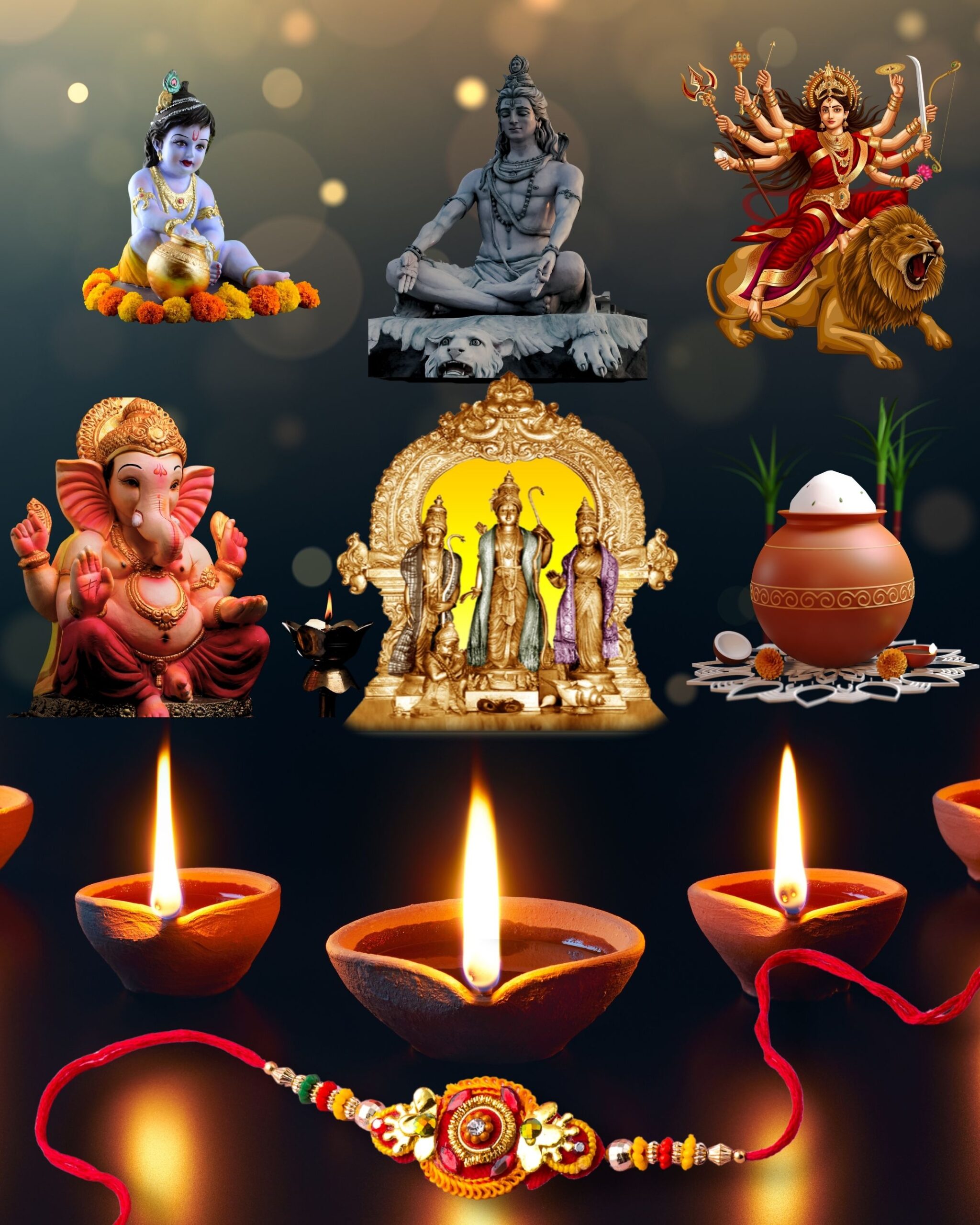
One of the most iconic and universally celebrated festivals, Deepavali symbolizes the triumph of light over darkness and knowledge over ignorance. This festival is a powerful reminder of inner awakening and dharma’s victory in life.
Homes, temples, and streets are adorned with lamps and rangoli (decorative patterns), creating a radiant tapestry of faith and hope. The festival also honors ancestral spirits, invites Lakshmi (goddess of prosperity), and encourages reflection on the spiritual light that guides humanity forward. Deepavali’s essence is beautifully captured in scriptures and continues to inspire millions globally to live with courage, wisdom, and compassion.
Navratri: A Nine-Night Dance with Divine Feminine Power
Navratri, meaning “nine nights,” honors the Goddess Durga in her nine divine forms. This sacred festival celebrates feminine power (Shakti), courage, and the eternal struggle between good and evil.
Devotees observe fasts, perform rituals, and engage in ecstatic dances like Garba and Dandiya Raas, energizing mind, body, and soul. Navratri is more than festivity—it is a spiritual practice that empowers individuals to awaken the divine feminine within, fostering balance, strength, and transformation.
Festivals as Teachers of Dharma and Unity
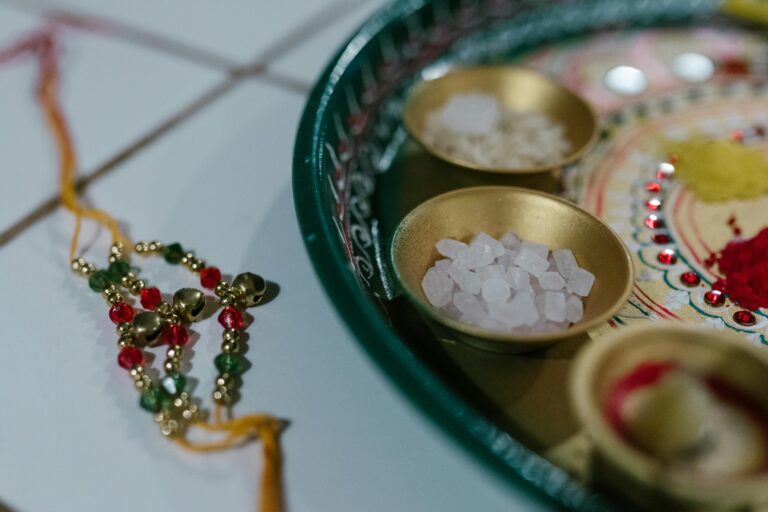
Beyond their spiritual significance, Bharat’s festivals serve as living classrooms of dharma (righteousness), nurturing virtues like compassion, self-discipline, gratitude, and unity. Whether it is the sibling bond celebrated during Raksha Bandhan or the joyous colors of Holi that signify love and togetherness beyond barriers, every festival carries powerful lessons for societal harmony and personal growth.
The diverse celebrations knit together communities, transcend caste and creed, and create shared moments of joy and spiritual communion. The ethos of vasudhaiva kutumbakam (the world is one family) is deeply embedded in festival culture, fostering inclusivity and collective upliftment.
Reconnecting with Nature and Cosmic Energies
Sanatana Dharma’s festivals remind us that humans are integral parts of nature’s grand tapestry. Seasonal harvests, monsoons, and planetary shifts influence festival timings, honoring the cycles essential for agriculture, survival, and spiritual rejuvenation.
As India’s sacred texts teach, living in sync with nature’s rhythms promotes health, abundance, and spiritual well-being. The celebrations renew our awareness of Earth’s gifts and our responsibility as caretakers, reminding us to live sustainably and harmoniously.
Contemporary Relevance: Festivals in a Modern World
In today’s fast-paced, often fragmented world, Bharat’s festivals offer vital pause points—spaces to breathe, reflect, and reconnect with inner values and community bonds. They remind us that beyond material pursuits lies a deeper spiritual quest and that collective celebration nurtures hope, joy, and resilience.
Digital and global diasporas have also carried these traditions worldwide, allowing millions to rediscover and share the sacred heritage of Sanatana Dharma beyond geographic boundaries.
Embark on the Festival Journey
As we celebrate each festival with devotion and joy, we participate in a sacred dance—an ancient cosmic rhythm that invites us to awaken, grow, and align with the Eternal. These festivals are not just rituals; they are transformative experiences that unite hearts, uplift souls, and ripple positive energy into the world.
Delve into the magic of Bharat’s festivals and discover their timeless teachings on dharma, love, nature, and the Divine. Each festival is an invitation—an opportunity to step into sacred space, kindle the flame of devotion, and live a life resonating with cosmic harmony.
Bharat’s festivals and spiritual traditions are deeply woven into the fabric of society, reflected through sacred ashrams, vibrant temples, and devoted communities that uphold the timeless values of Sanatana Dharma. These living institutions—ranging from ancient pilgrimage centers and cultural societies to spiritual retreats like the Ramakrishna Math, Sri Aurobindo Ashram, Sri Ramana Ashram, and others—serve as guardians of ritual knowledge, cosmic wisdom, and communal harmony.
For a deeper exploration of these rich traditions and their role in nurturing dharma, unity, and spiritual growth, dive into resources like the Art of Living, ISKCON, and the Vedanta Society. These platforms beautifully illuminate the sacred heritage of Bharat’s divine celebrations and their enduring relevance in fostering holistic well-being for individuals and society alike.
Let the stars guide you to clarity and purpose in all your endeavors.