
A journey into one of Bengal's sacred Shakti Peethas
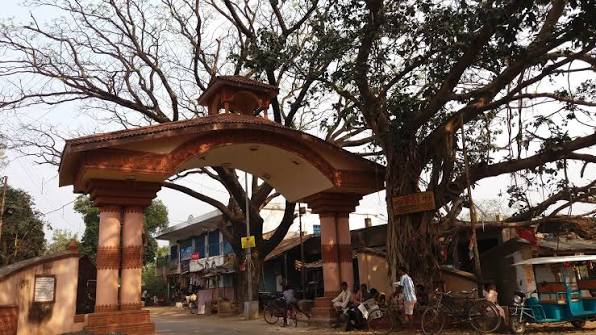
My journey to Kankalitala begins at its ornate outer gateway. The terracotta-coloured arch stands beneath enormous trees and opens onto a road lined with small shops, local vendors and pilgrims carrying flowers and offerings. As I walk further, the sounds of everyday village life gradually mix with temple bells and the fragrance of incense. A second gate marks the entrance to the temple itself.
The moment I enter, the atmosphere shifts. The busy road feels distant, and the temple grounds become quieter. It feels as though I have stepped into a place where mythology and everyday devotion have existed together for generations.
The Story of Sati and Shiva
The story of Kankalitala begins with Sati, the daughter of King Daksha and the wife of Lord Shiva. Daksha never accepted her marriage to Shiva. When he organised a grand yajna without inviting Shiva, Sati went there anyway. She was publicly humiliated by her father and, unable to bear the insult towards Shiva, gave up her life.
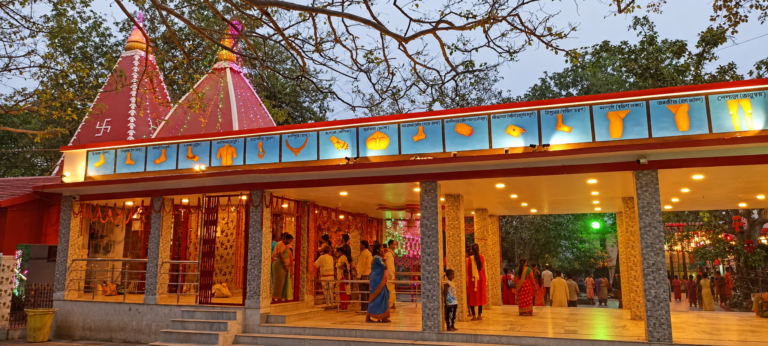
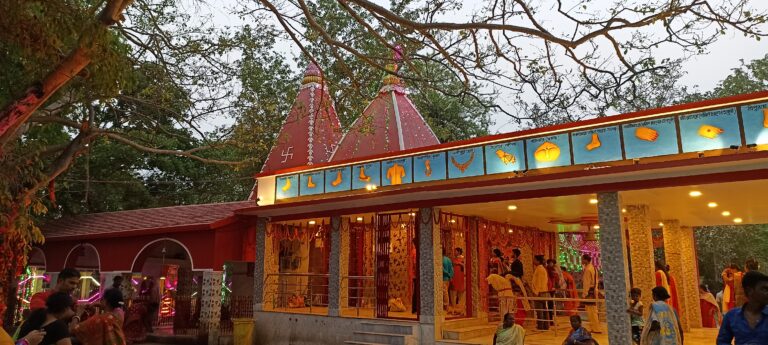
Overcome with grief, Shiva carried Sati's body across the universe. To restore cosmic balance, Vishnu used his Sudarshana Chakra to divide her body. The places where different parts of Sati are believed to have fallen became sacred Shakti Peethas.
At Kankalitala, Hindus believe that the waist of Maa Sati fell here. In Bengali, it is called kankal, giving the place its traditional name, Kankalitala.
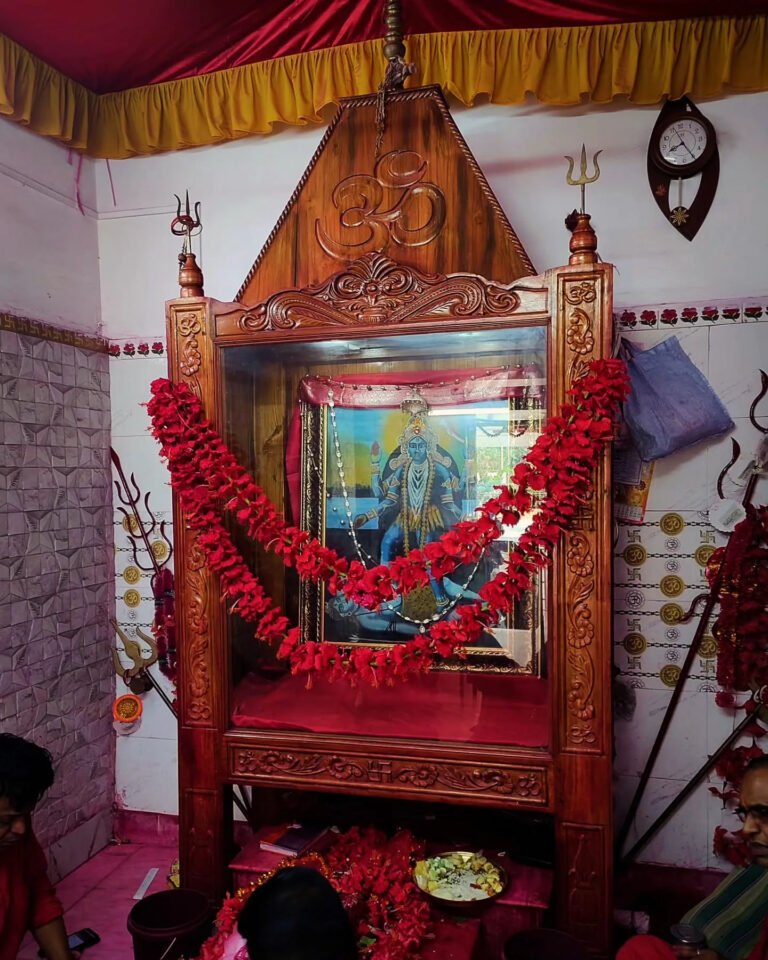
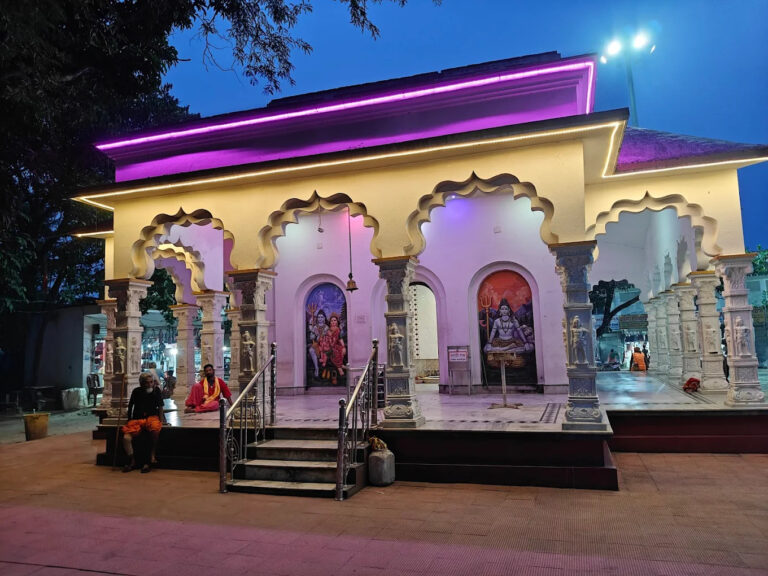
Inside the sanctum, I find another striking feature. Instead of a conventional sculpted idol, a framed painting of Goddess Kali standing upon Shiva stands in its place. The simple image becomes the centre of devotion, showing how the sacredness of Kankalitala is connected not only to an idol, but also to its stories, rituals and traditions.
The Sacred Kund
One of the most memorable parts of my visit is the sacred kund. It is a large rectangular pool surrounded by broad stone steps, with old trees rising around it. The still water reflects the branches above, while flowers offered by devotees float gently across its surface.
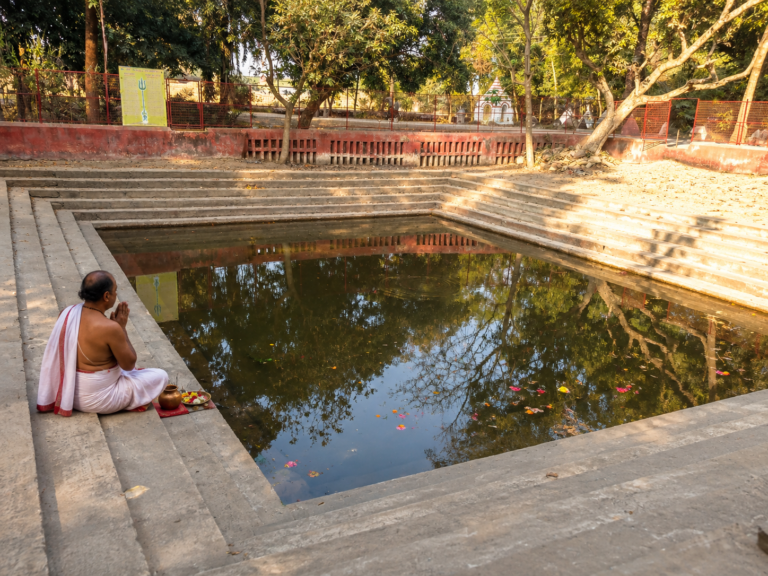
According to tradition, Sati's sacred presence is connected with this place. Here, the kund, the earth and the surrounding trees seem to become part of the devotional experience.
Standing beside the water, I feel a strange sense of stillness. Nothing dramatic is happening, yet the place feels powerful. Perhaps some sacred places are not meant to show us something extraordinary. Perhaps they are meant to make us feel something.
The Tree of Wishes
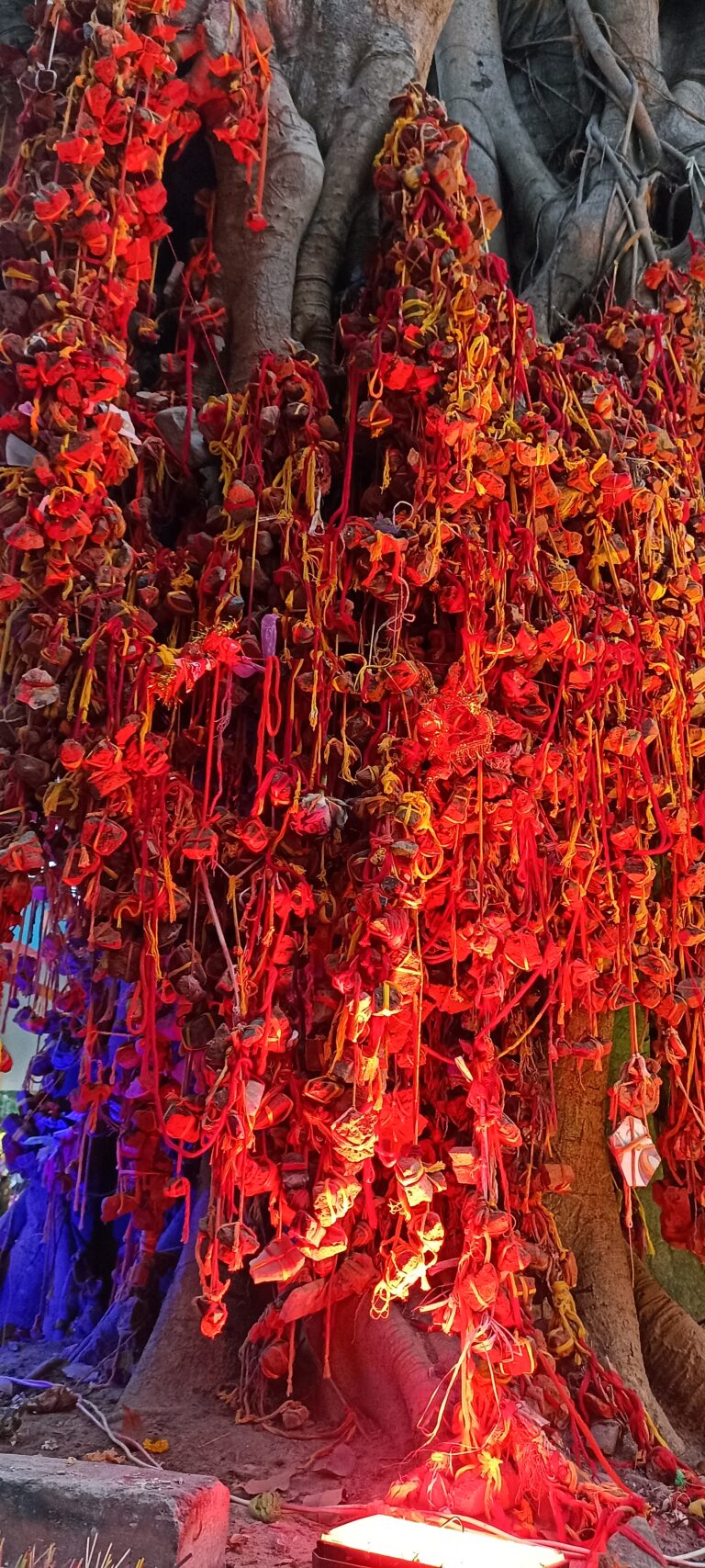
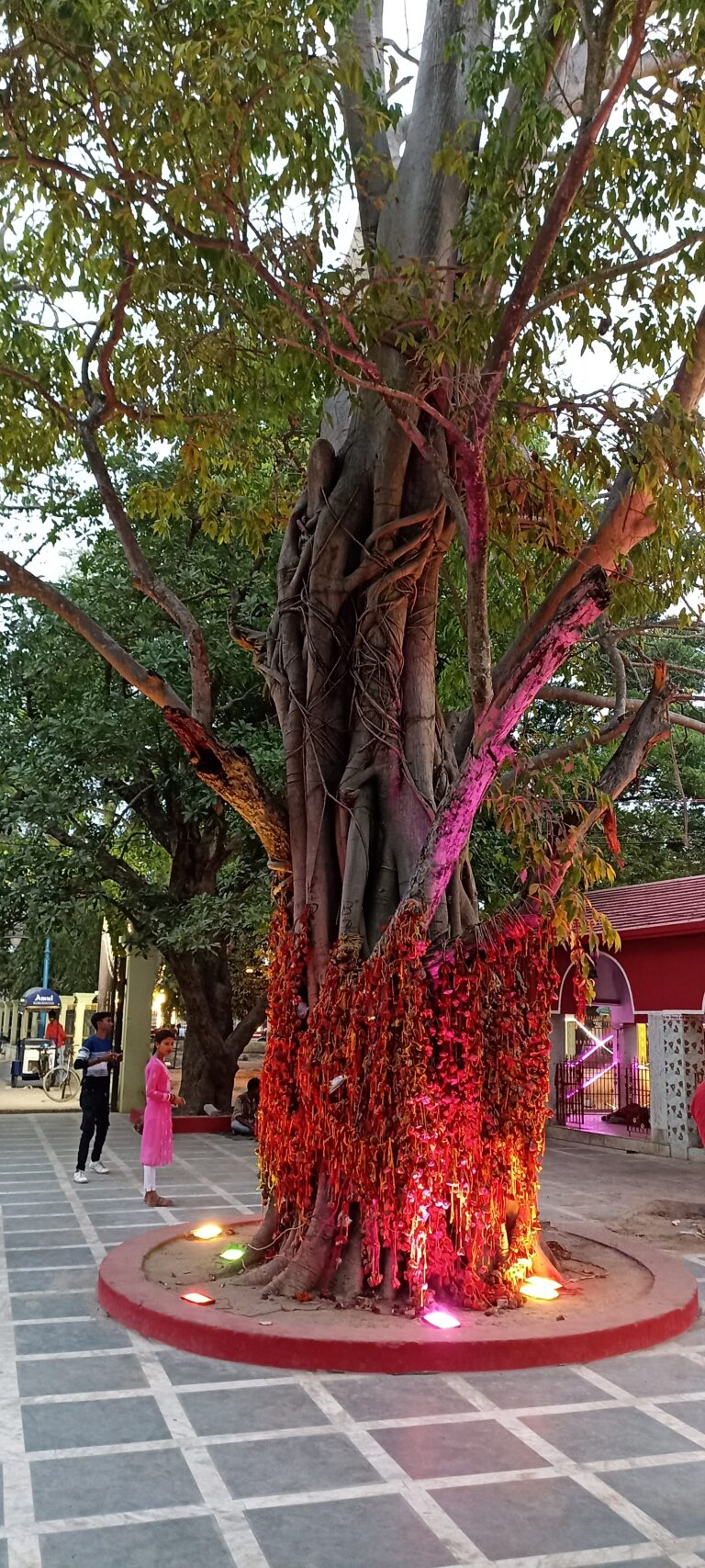
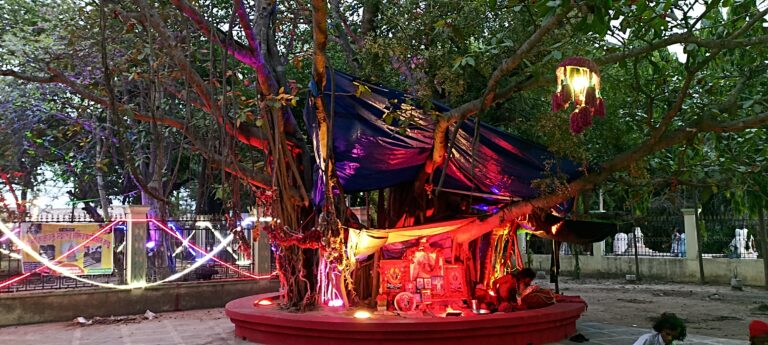
Near the temple stands an ancient tree covered with threads, stones and small offerings. Devotees tie stones or threads to it while making wishes before the Goddess. Those who believe their prayers have been answered may return to express their gratitude.
Looking at the tree, I imagine the countless stories behind those offerings. Someone may have arrived carrying a hope, someone else a sorrow, and another person may have returned simply to say thank you. It is a simple tradition, yet it shows how mythology and local beliefs continue to live together at Kankalitala.
The Harikath and the Fierce Mother
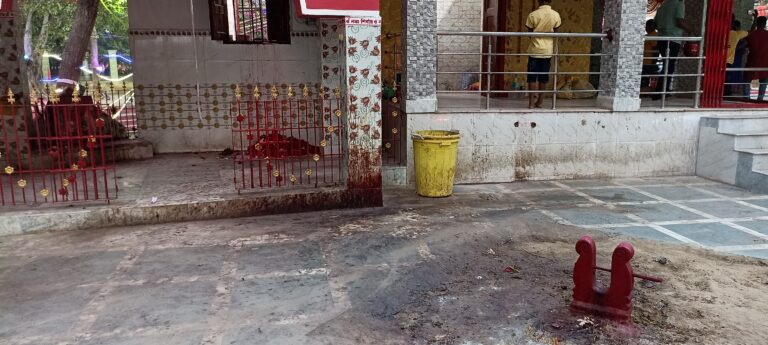
Another distinctive feature is the Harikath, a wooden structure with a notched surface traditionally associated with Bali, or ritual animal sacrifice. A ritual sword known as a khadga is also traditionally connected with the ceremony.
For me, this reveals another side of the Goddess. Kankalitala is not only about the compassionate Mother to whom devotees bring their wishes. It also reflects an older Shakta tradition and the fierce, powerful aspect of Shakti.
Ruru Bhairava - The Guardian
The temple is also associated with Ruru Bhairava, the form of Bhairava traditionally regarded as the guardian of this Shakti Peetha. His presence represents the inseparable connection between the Goddess and Shiva, the divine feminine power and the consciousness that accompanies and protects it.
Standing before the shrine, I am reminded that Kankalitala's story is never only about Sati. Shiva remains an essential part of the sacred tradition surrounding the Mother.
The River and the Land
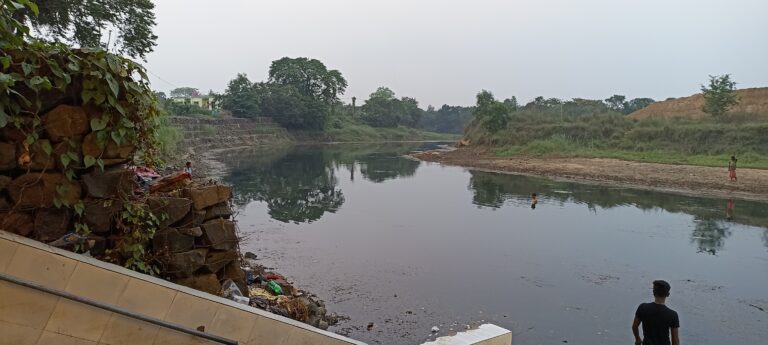
Beyond the temple, the landscape opens towards the Kopai River. Although the river is not central to the Shakti Peetha legend, it forms an important part of Kankalitala's surroundings.
Looking around, I begin to realise that a pilgrimage is not only about what lies inside temple walls. The road, the trees, the water, the earth and the generations of people who have walked these paths all become part of the sacred landscape.
When the Mother Awakens
During festivals such as Kali Puja and Navaratri, Kankalitala takes on a completely different energy. More devotees gather, lamps illuminate the temple, offerings are prepared, and bells and conch shells fill the courtyard.
Watching the devotees, I notice how different their prayers are. Some ask for health, some for children or prosperity, while others simply come to express gratitude. Yet before Maa, all these individual stories seem to become one prayer.
Perhaps that is what makes Kankalitala a living Shakti Peetha. The legend of Sati belongs to an ancient past, but every devotee who enters through those gates becomes part of its continuing story.
The Journey Back
As evening falls, I find myself beside the sacred kund once again. Temple bells echo through the trees, and lamps cast trembling reflections across the water.I think about everything I have seen: the story of Sati, the simple image of Kali standing upon Shiva, the kund, the wish-filled tree, the Harikath, Ruru Bhairava and the landscape surrounding the temple.
I had come expecting to see an ancient temple and hear an old legend. Instead, I left flabbergasted by how deeply Kankalitala seemed to hold its own story.Standing beside that quiet kund, surrounded by ancient trees, temple bells and flickering lamps, I could not help wondering whether some places are not meant to be completely understood.Perhaps they are simply meant to be experienced.